17
Mar, 2026
3 min read
Call Us: +977 01-5926648
Working Hours: Everyday: 07:00am - 07:00pm



Healthcare professionals need more than theoretical knowledge to provide safe and effective care. They must also understand how to apply that knowledge in practical situations, communicate clearly, follow clinical procedures, and respond appropriately to patients' needs.
Hands-on clinical skills training helps bridge the gap between classroom learning and practical healthcare responsibilities. Through demonstrations, guided exercises, and simulation-based practice, learners can develop essential skills in a structured learning environment.
Textbooks and lectures introduce important healthcare concepts, but practical training helps learners understand how those concepts translate into clinical tasks.
Practicing skills such as patient assessment, vital-sign measurement, infection prevention, and basic nursing procedures allows learners to connect theoretical knowledge with practical application.
Simulation exercises also provide opportunities to work through clinical scenarios before encountering similar situations in real healthcare settings.
Confidence develops through preparation, feedback, and practice.
When learners have opportunities to repeat procedures under appropriate supervision, they can identify mistakes, improve their technique, and better understand the steps involved in a task.
A supportive training environment encourages learners to ask questions, clarify uncertainties, and improve their performance without compromising patient safety.
Patient safety is central to every healthcare activity.
Clinical skills training reinforces essential practices such as hand hygiene, appropriate use of protective equipment, aseptic technique, safe equipment handling, and proper disposal of sharps where relevant.
Learners can also develop awareness of when to seek assistance, report concerns, and follow established clinical protocols.
These practices are important because technical ability must always be accompanied by safe decision-making and professional responsibility.
Healthcare is a collaborative profession. Even when a procedure is performed correctly, poor communication can affect the quality and continuity of care.
Practical training can help learners develop communication skills, explain procedures appropriately, document relevant information, and work effectively with other members of a healthcare team.
Simulation-based scenarios can also help learners practice recognizing concerns and escalating them to the appropriate professional.
When selecting a clinical skills training program, consider the course content, instructor qualifications, practical learning opportunities, available equipment, and eligibility requirements.
Look for a program that clearly explains what participants will learn, how their skills will be practiced, and whether assessment or a certificate is included.
It is also important to understand that completing a short course does not automatically authorize someone to perform every clinical procedure. Professional qualifications, demonstrated competency, workplace policies, and applicable regulations still matter.
Hands-on clinical skills training is an important part of developing practical healthcare competence. By combining theory with guided practice, feedback, patient-safety principles, and communication skills, learners can better prepare for the responsibilities of healthcare practice.
At Nurse Tech Skills Center, explore clinical skills training options designed to support practical learning and continued professional development.
Ready to strengthen your clinical skills? Explore our clinical skills training programs or contact our team to learn more about available courses.

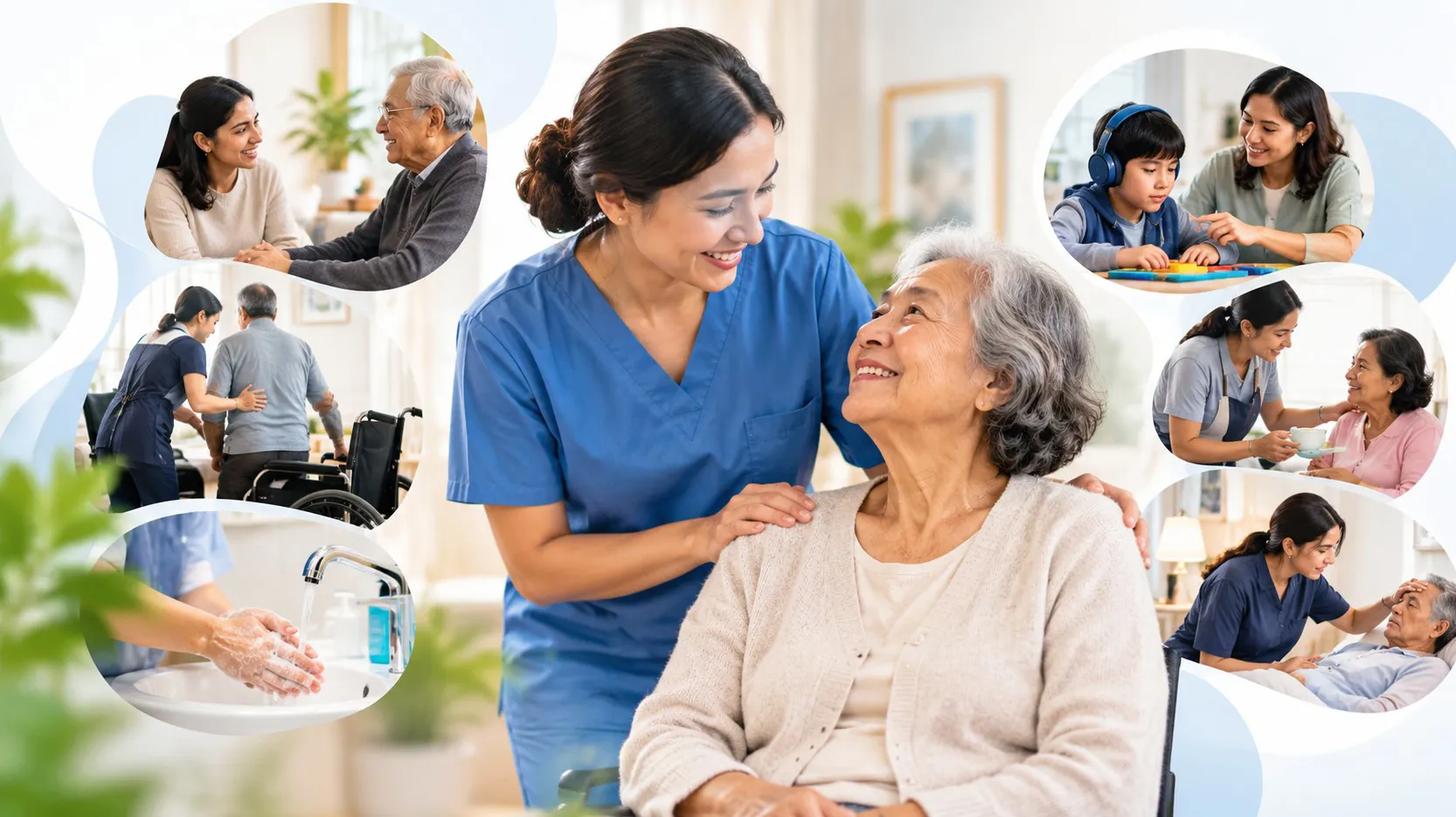
Explore the essential caregiving skills needed to support daily living, communicate re...
Read Full Article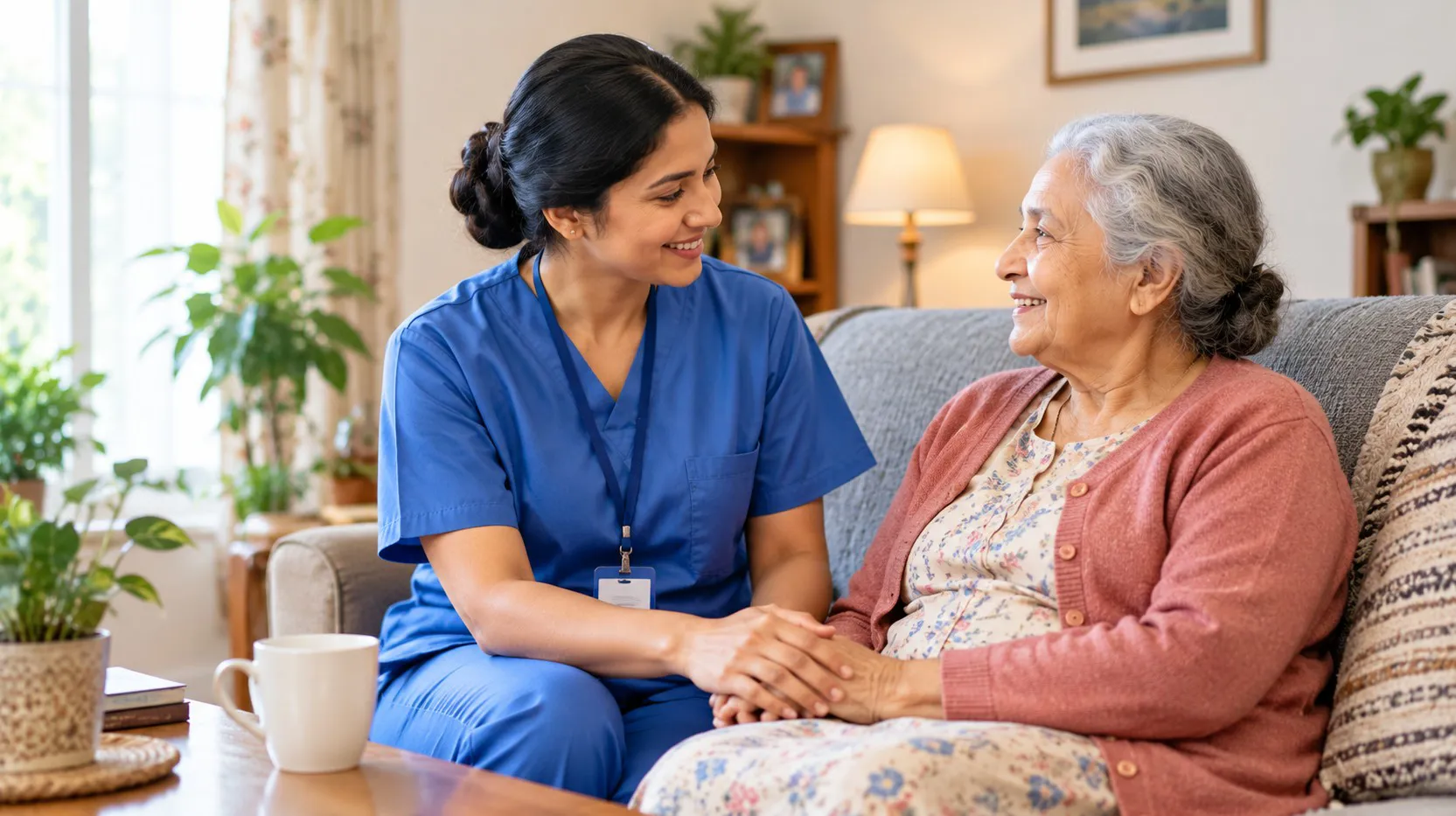
Learn how to choose suitable home care for older adults, people living with dementia, ...
Read Full Article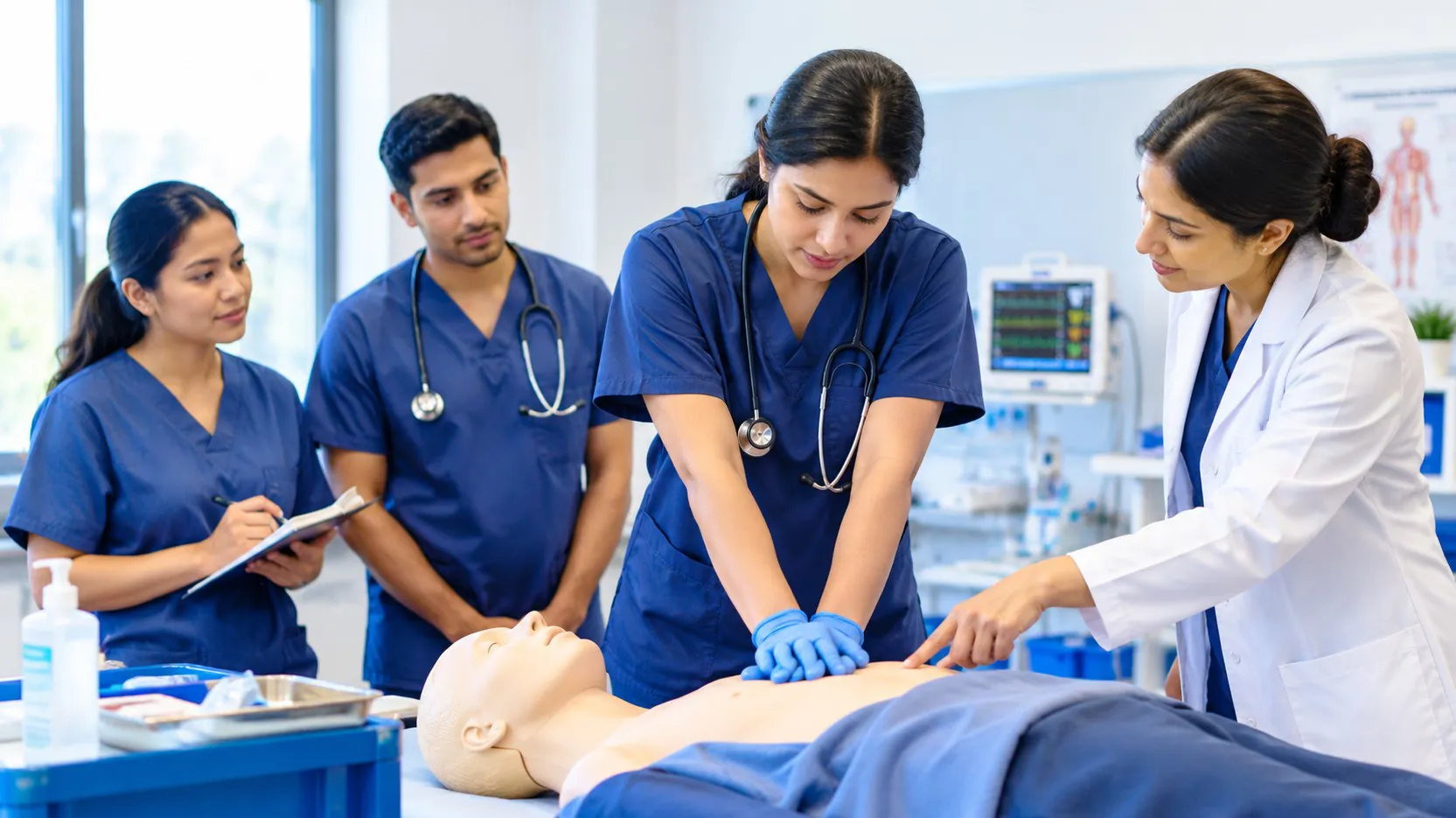
Discover how practical clinical skills training helps healthcare learners build confid...
Read Full Article
Nurse Tech Skills provides hands-on clinical training, caregiver education, and compassionate home care across Kathmandu.
 Qualified Nursing Professionals
Hands-on Clinical Training
Competency-Based Certificates
Trusted Care Across Kathmandu
Copyright © Nurse Tech Skills. Powered by onetech®