20
Oct, 2026
4 min read
Call Us: +977 01-5926648
Working Hours: Everyday: 07:00am - 07:00pm



Caregiving involves much more than helping someone complete everyday activities. A good caregiver must understand individual needs, communicate respectfully, recognize potential risks, and provide assistance in ways that preserve dignity and independence.
Whether supporting an older adult, a person living with dementia, an autistic individual, or someone who needs assistance with daily living, caregivers benefit from developing a strong foundation of practical skills.
Here are six essential areas every caregiver should understand.
Clear, respectful communication helps caregivers understand preferences, explain activities, and build trust.
Caregivers should practice listening patiently, using language appropriate to the individual, and respecting personal boundaries.
Communication needs vary. Some people may need additional time to respond, while others may prefer visual instructions, familiar routines, or alternative communication methods.
For autistic individuals, caregivers should avoid assuming that everyone communicates or experiences sensory information in the same way. Support should be adapted to the person's individual preferences and needs.
Many caregiving responsibilities involve helping individuals with everyday activities while maintaining comfort, privacy, and independence.
These activities may include bathing, dressing, grooming, toileting, meal assistance, and maintaining daily routines.
Caregivers should explain what they are doing, seek consent where appropriate, protect privacy, and encourage individuals to complete the activities they can manage independently.
Assistance should be adapted to each person's abilities, preferences, and care plan.
People who have difficulty walking, maintaining balance, or changing position may need additional support to move safely.
Caregivers should understand basic fall-prevention principles, recognize environmental hazards, and follow appropriate instructions for mobility aids and transfers.
Keeping walkways clear, ensuring suitable lighting, and using recommended equipment can help reduce certain risks.
Caregivers should not attempt lifting or transfers beyond their training or physical capability. They should seek appropriate assistance when a task cannot be performed safely.
Good hygiene practices help protect both the person receiving care and the caregiver.
Important practices include regular handwashing, appropriate use of protective equipment, safe handling of personal-care items, and cleaning equipment according to relevant procedures.
Caregivers should understand how to reduce cross-contamination and when additional precautions may be necessary.
They should also know when to report possible signs of infection or changes in a person's condition rather than attempting to diagnose or treat the problem independently.
Caregivers often spend considerable time with the people they support, which may help them notice changes in behavior, mobility, appetite, sleep, or everyday functioning.
Recognizing and reporting these changes is an important responsibility.
For example, sudden confusion, difficulty breathing, chest pain, severe bleeding, or reduced responsiveness may require urgent medical attention. Caregivers should follow emergency procedures and contact appropriate emergency services when necessary.
They should also document relevant observations according to their responsibilities and communicate concerns promptly to the appropriate healthcare professional.
Every person has different preferences, abilities, experiences, and support needs.
Caregivers should avoid treating people as though they all require the same approach. Someone living with dementia may benefit from familiar routines and calm communication, while an autistic person may need adjustments to sensory surroundings or communication methods.
Person-centered care means involving individuals in decisions wherever possible, respecting their choices, maintaining confidentiality, and providing assistance without unnecessary restrictions.
The aim is to support well-being and participation rather than take over tasks a person can safely do themselves.
Caregiver training provides structured opportunities to learn and practice essential skills. Depending on the program, training may cover personal care, communication, mobility assistance, infection prevention, safety awareness, and support for specific care needs.
When selecting a course, review the curriculum, practical activities, instructor qualifications, and certificate requirements. Ensure the course matches your intended caregiving role.
Specialized training in areas such as dementia care, autism support, and postpartum assistance can also help caregivers better understand the needs of the people they support.
Remember that caregiving training does not automatically qualify someone to perform medical or nursing procedures that require separate professional authorization.
Effective caregiving combines practical ability with patience, respect, observation, communication, and a commitment to safety.
Developing these skills can help caregivers provide more thoughtful support while promoting dignity and independence for the people in their care.
Want to develop your caregiving skills? Explore the General Caregiver Training, Autism Caregiver Training, Dementia Caregiver Training, and Postpartum Doula Training programs at Nurse Tech Skills Center.

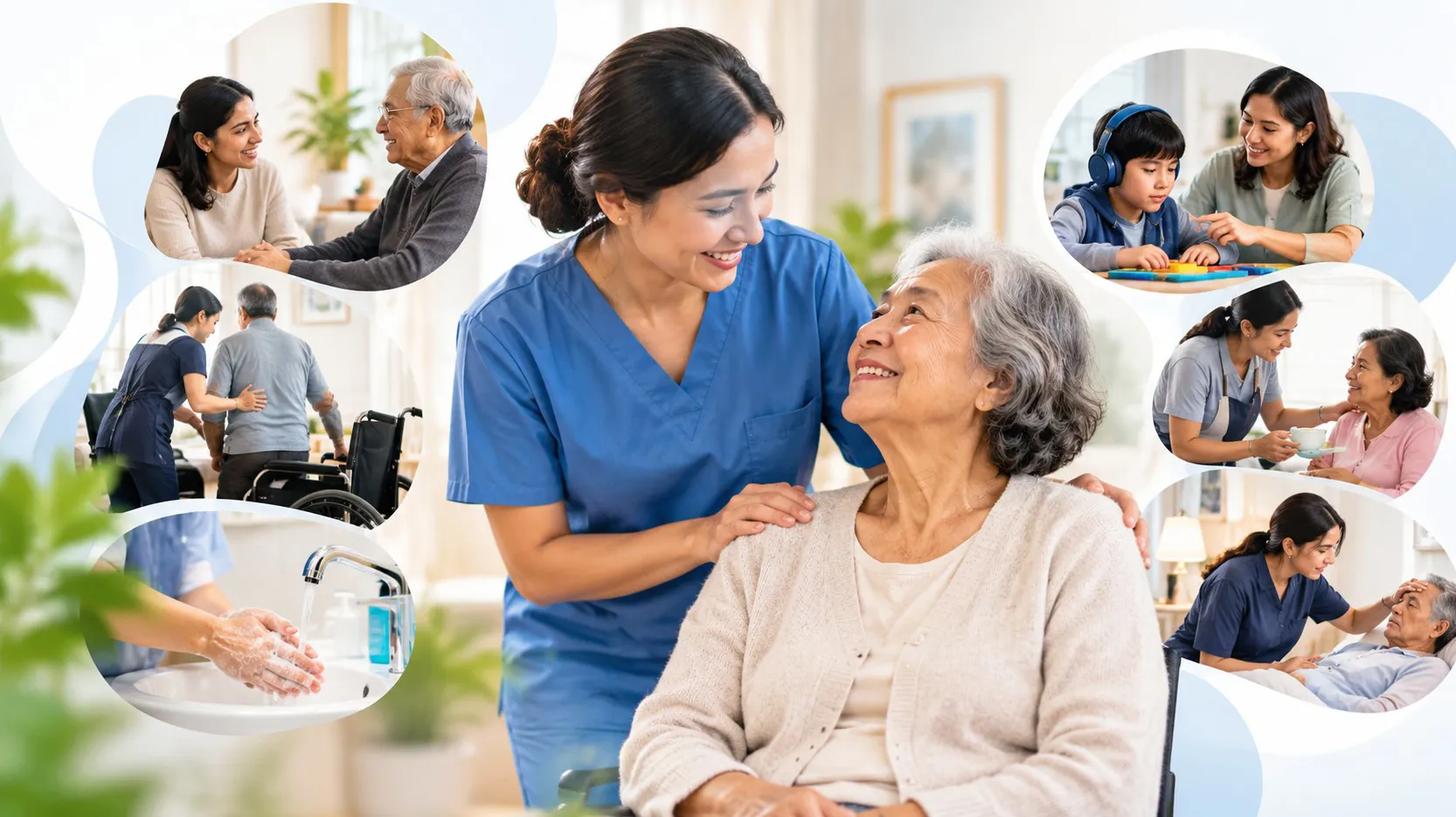
Explore the essential caregiving skills needed to support daily living, communicate re...
Read Full Article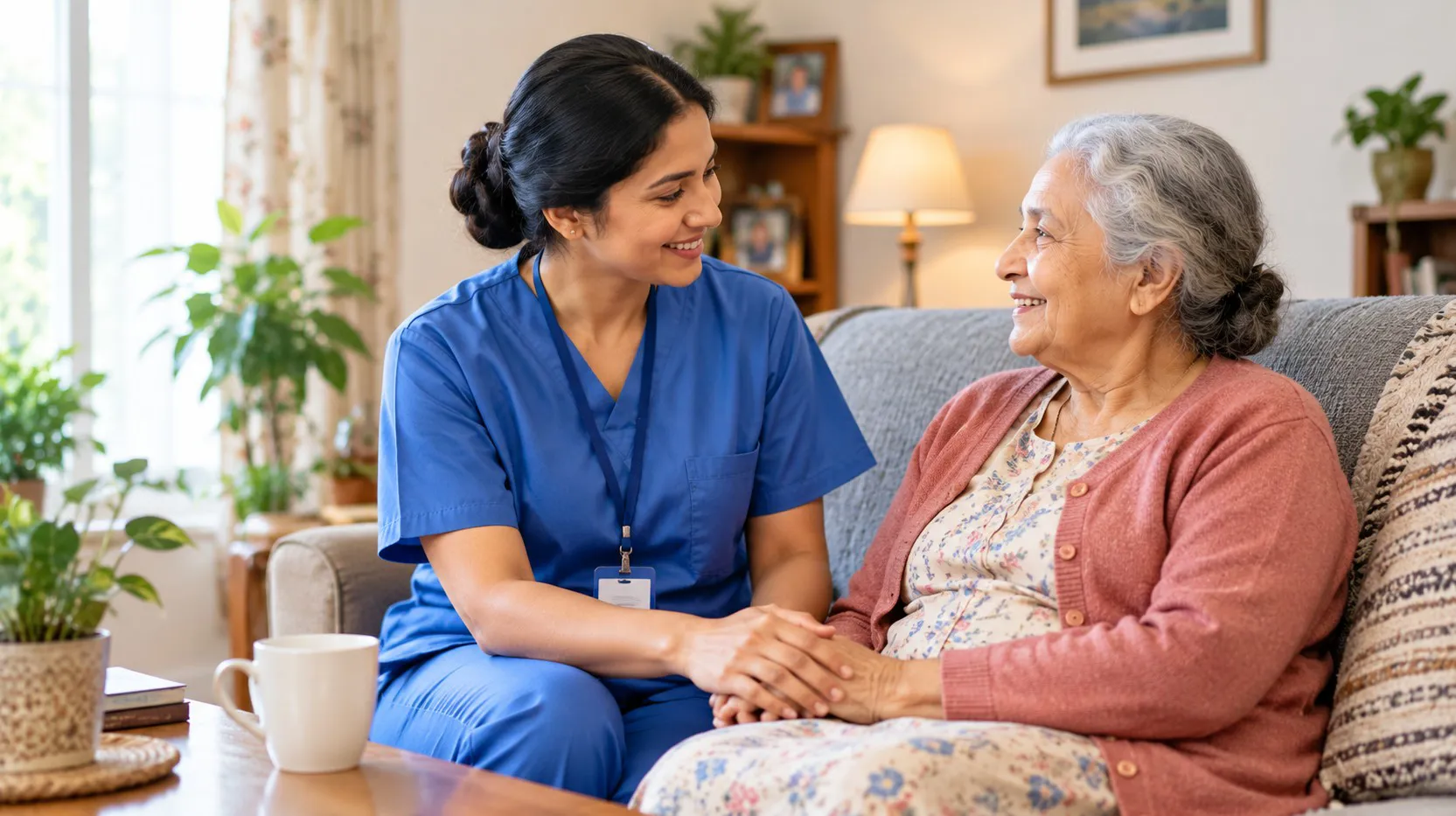
Learn how to choose suitable home care for older adults, people living with dementia, ...
Read Full Article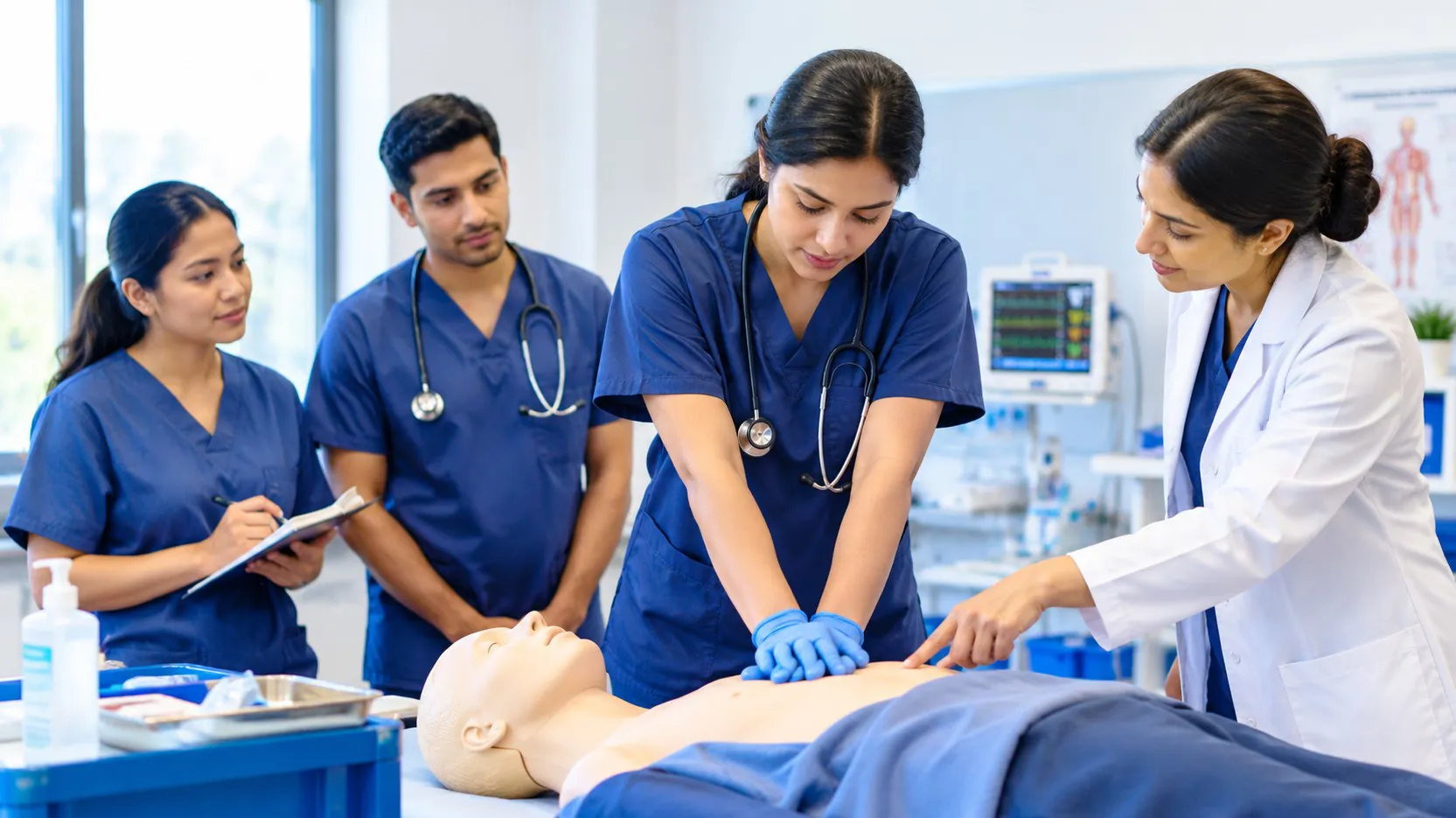
Discover how practical clinical skills training helps healthcare learners build confid...
Read Full Article
Nurse Tech Skills provides hands-on clinical training, caregiver education, and compassionate home care across Kathmandu.
 Qualified Nursing Professionals
Hands-on Clinical Training
Competency-Based Certificates
Trusted Care Across Kathmandu
Copyright © Nurse Tech Skills. Powered by onetech®